

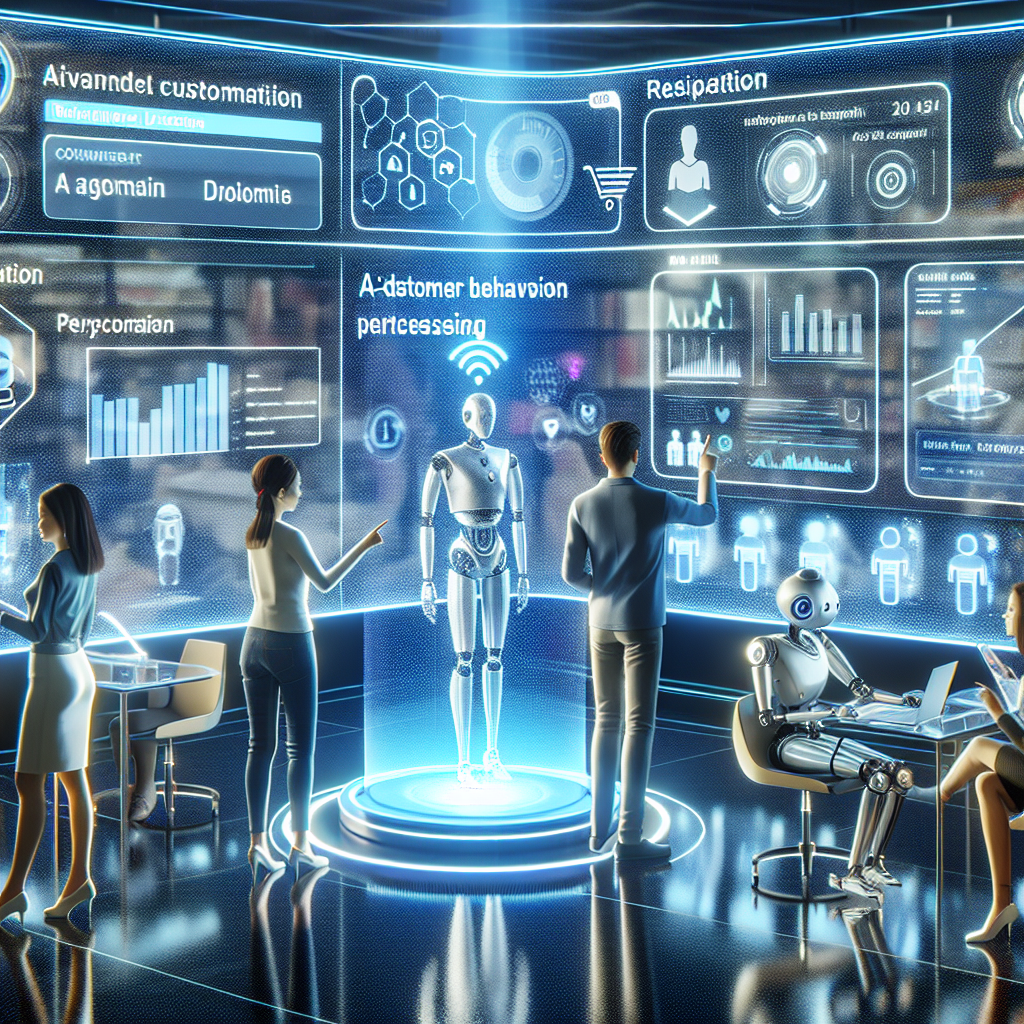
AI Transforms Customer Engagement by 2025
AI-powered customer engagement is revolutionizing how businesses connect with their customers. Leveraging AI provides intelligent, hyper-personalized, and seamless experiences. In 2025, AI technologies such as predictive analytics, AI chatbots, and omnichannel automation significantly enhance customer satisfaction and operational efficiency. These developments also drive revenue growth. Leading platforms merge sophisticated AI with human expertise to maximize ROI and customer retention while addressing data privacy concerns. This article explores these transformative trends and actionable strategies for businesses to excel.
AI: The Strategic Core of Customer Engagement in 2025
Customer engagement in 2025 undergoes a foundational transformation driven by AI. This shift redefines business connections with customers, transitioning from traditional service models to AI-driven intelligent engagement. Industry leaders predict that AI will manage 85% of customer interactions, fundamentally changing the customer service landscape. This shift is especially noticeable in the U.S. market, where businesses increasingly use AI to deliver personalized experiences that boost engagement and loyalty.
The Impact of AI Hyper-Personalization and Predictive Analytics
Hyper-personalization, powered by AI and machine learning, uses real-time behavioral intelligence for dynamic, data-driven customization. Platforms adapt content and interactions based on user patterns and history. Brands adopting AI platforms benefit from advanced predictive analytics. These tools preempt customer needs, forecast behaviors, optimize marketing spends, and improve customer lifetime value. Studies report an average 15% revenue uplift for businesses with effective personalization.
Integrating Real-Time Behavioral Intelligence in AI Chatbots
Advances in AI enhance digital interactions by combining real-time behavioral personalization with emotional intelligence. This balanced approach merges AI efficiency with authentic human touchpoints, improving customer loyalty and satisfaction. The roadmap for 2025 involves integrating AI-powered platforms to exceed evolving market demands, delivering tailored, frictionless experiences across various industries and channels.
Driving Business Growth with AI Hyper-Personalization
AI and machine learning technologies drive business growth through hyper-personalization. By utilizing real-time data, companies craft individualized customer journeys, resulting in revenue and loyalty gains. Data indicates 80% of consumers prefer personalized engagement, highlighting its role in purchasing decisions and brand affinity. Predictive analytics anticipates customer needs, optimizing timing, offers, and messages, enhancing engagement and satisfaction.
In healthcare, hyper-personalization manifests in customized treatment plans, improving outcomes and optimizing resources. Predictive analytics helps banks tailor financial products to customer profiles, and retailers use these capabilities for real-time product recommendations. Across sectors, personalized engagement leads to operational improvements, like reducing churn and boosting conversion rates.
Integrating hyper-personalization and predictive analytics is vital for differentiation in a crowded marketplace. AI platforms unify real-time insights with anticipatory intelligence, enabling organizations to achieve sustained business growth through personalized, seamless customer experiences.
Sophisticated AI Chatbots and Omnichannel Automation
AI chatbots and virtual assistants have evolved to handle a large portion of customer interactions efficiently, maintaining high satisfaction levels. Advanced natural language processing and sentiment analysis foster empathetic, human-like communication. This approach enhances problem resolution and loyalty.
Emotion recognition and sentiment analysis provide real-time insights into customer feelings and conversation context. Omnichannel automation ensures fluid interactions across online, mobile, and in-store interfaces, preserving context and consistency. AI platforms anticipate customer needs, providing proactive support, leading to increased satisfaction through seamless, context-rich experiences.
Hybrid Human-AI Customer Service Models
Hybrid AI-human models enhance customer interaction by combining AI’s efficiency with human emotional intelligence. These models optimize engagement, automating routine tasks while human agents handle complex situations. Real-world cases show improved engagement and revenue from combining AI outreach with human follow-ups. Intelligent task delegation and seamless AI-to-human handoff ensure continuity and satisfaction.
Best practices in hybrid collaboration emphasize context preservation, transparency, and emotional intelligence. Clear distinctions between AI and human interactions build trust. This balanced approach empowers brands, delivering personalized, frictionless experiences that enhance growth.
Ensuring Privacy, Trust, and Compliance in AI-Driven Engagement
In AI-driven engagement, prioritizing data privacy and regulatory compliance is crucial for long-term success. Privacy-by-design principles and techniques like federated learning minimize risks. Explainable AI enhances transparency, reducing bias and compliance risk, thereby building customer trust. Compliance with these frameworks correlates with improved customer retention and satisfaction.
Conclusion: AI-Driven Customer Engagement
In 2025, AI-powered customer engagement is key to business success. By integrating hyper-personalization, automation, and hybrid collaboration, companies deliver excellent customer experiences and achieve ROI growth. Commitment to privacy and compliance ensures trust in AI systems, essential for long-term success. Technology combined with human expertise shapes the future of customer engagement, offering insights for businesses ready to transform customer relationships.